

You need a Library Account or log in to get the 2D / 3D files.
If you want to update your account or log in click here.
If you want to update your account or log in click here.
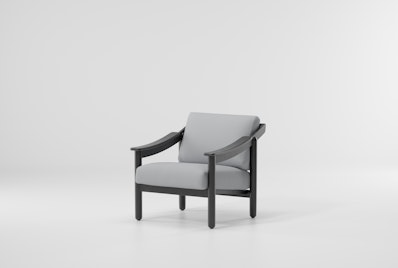
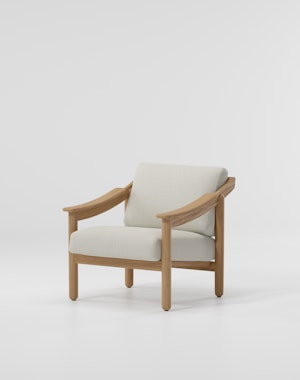
loden
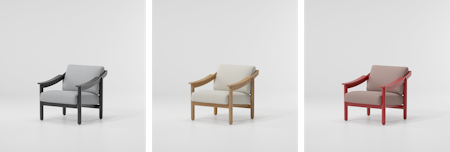
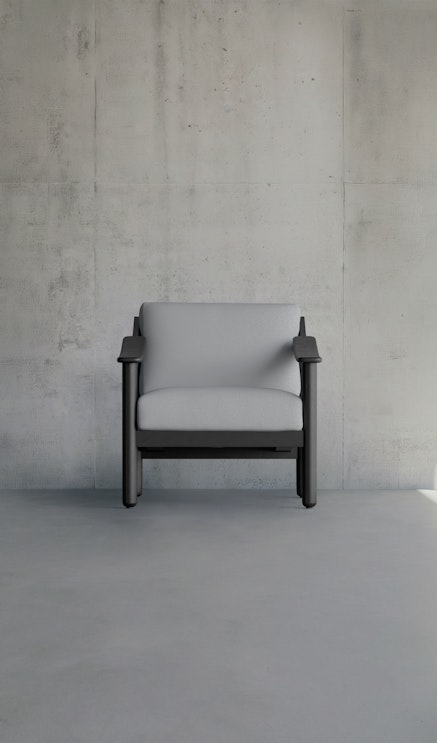
Loden Outdoor Club Teak
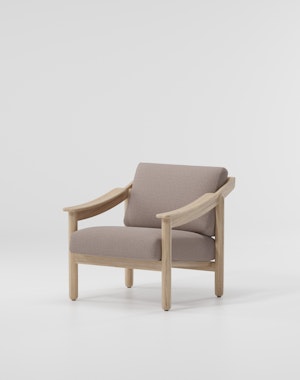
loden
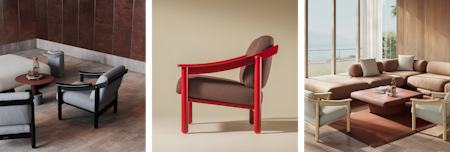
Loden Indoor Club oak
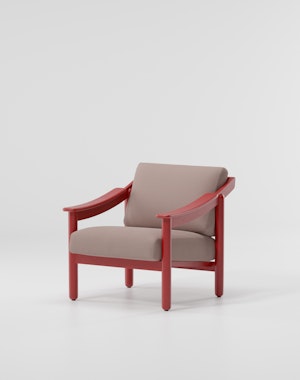
loden
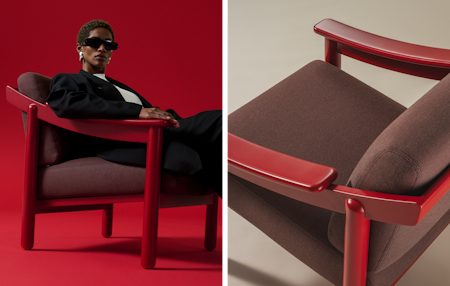
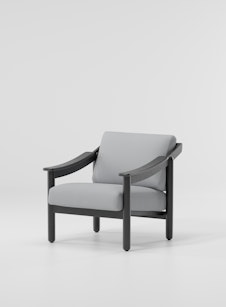
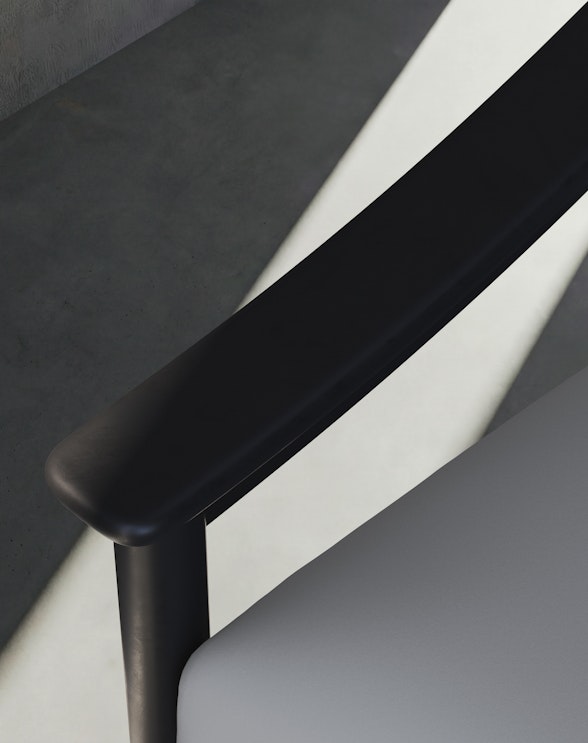
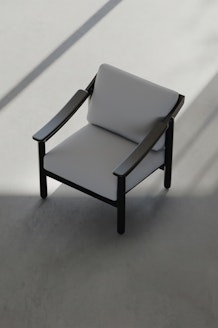
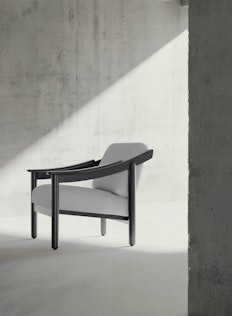
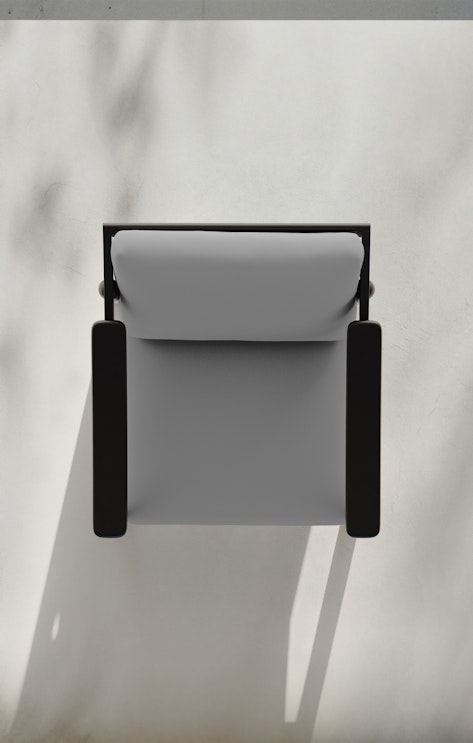
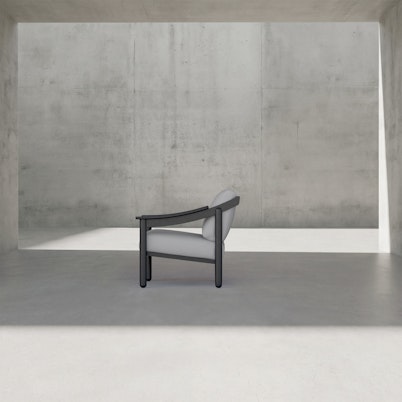
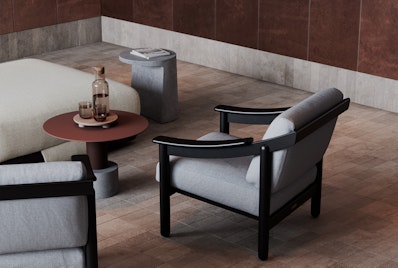
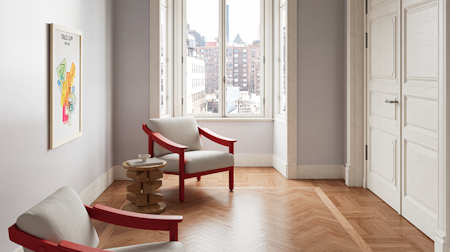
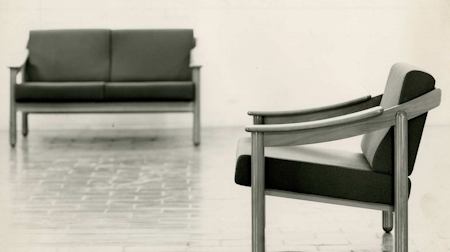
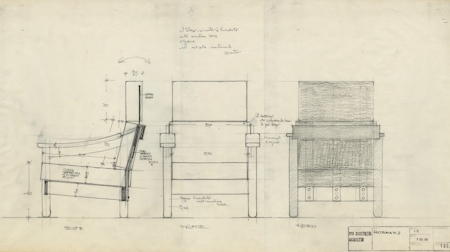
Kettal revives the Loden collection. Originally designed for Gavina in 1961, Loden is a series featuring an armchair and a sofa with a lacquered wood frame made with four cylinder-section legs and a tilted seat, also made of wood, with curved armrests whose design is similar to the profile of the armrests of the Carimate chairs.
The seat and backrest are upholstered in fabric. Dino Gavina, a Bolognese businessman, started producing new furniture in the mid-50s by collaborating with well-known designers and put back into producing furniture by Breuer, a renowned designer in NY, like the Cesca and Wassilly chairs.
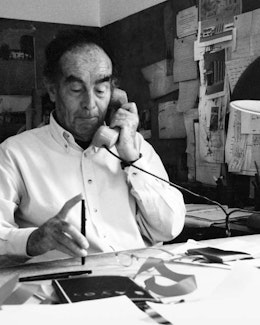
The Loden series by Magistretti is part of the collections produced by Gavina in the 60S.
Vico Magistretti Through the Eyes of Other Designers
Exhibition at Salone del Mobile, Milano. Conceived and curated by Maddalena Casadei
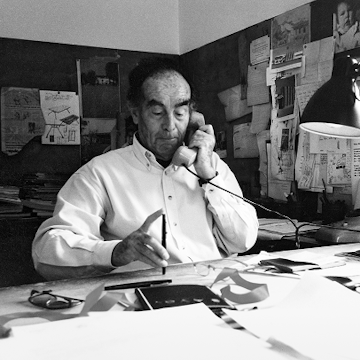
Approaching the reissue of a historical project always involves a precise narrative choice. In the case of Vico Magistretti’s Loden armchair, given the limited historical documentation available, a lighter and less reverential approach was chosen in presenting the designer himself.
For Magistretti, names held fundamental importance—they were evocative elements designed to communicate an object’s technical and sensory qualities through suggestion. As with the Fiandra armchair, the Loden chair is directly linked to its upholstery material, evoking comfort, warmth, and durability.
In Italy, in particular, Loden fabric became an iconic garment from the 1960s to the late 1990s, symbolizing a cultured, understated, and refined elite. Magistretti himself always wore a Loden coat in winter and owned several in different colors.
From this idea, we invited figures from the contemporary design world who had known Magistretti to share anecdotes about Vico and his inseparable Loden. These stories, each in its own way, add small yet meaningful details to the broader narrative surrounding Magistretti.
The texts were then paired with a series of photographs by Piotr Niepsuj, a photographer known for his spontaneous, direct, and at times irreverent eye, creating a visual story that bridges memory and modernity.